
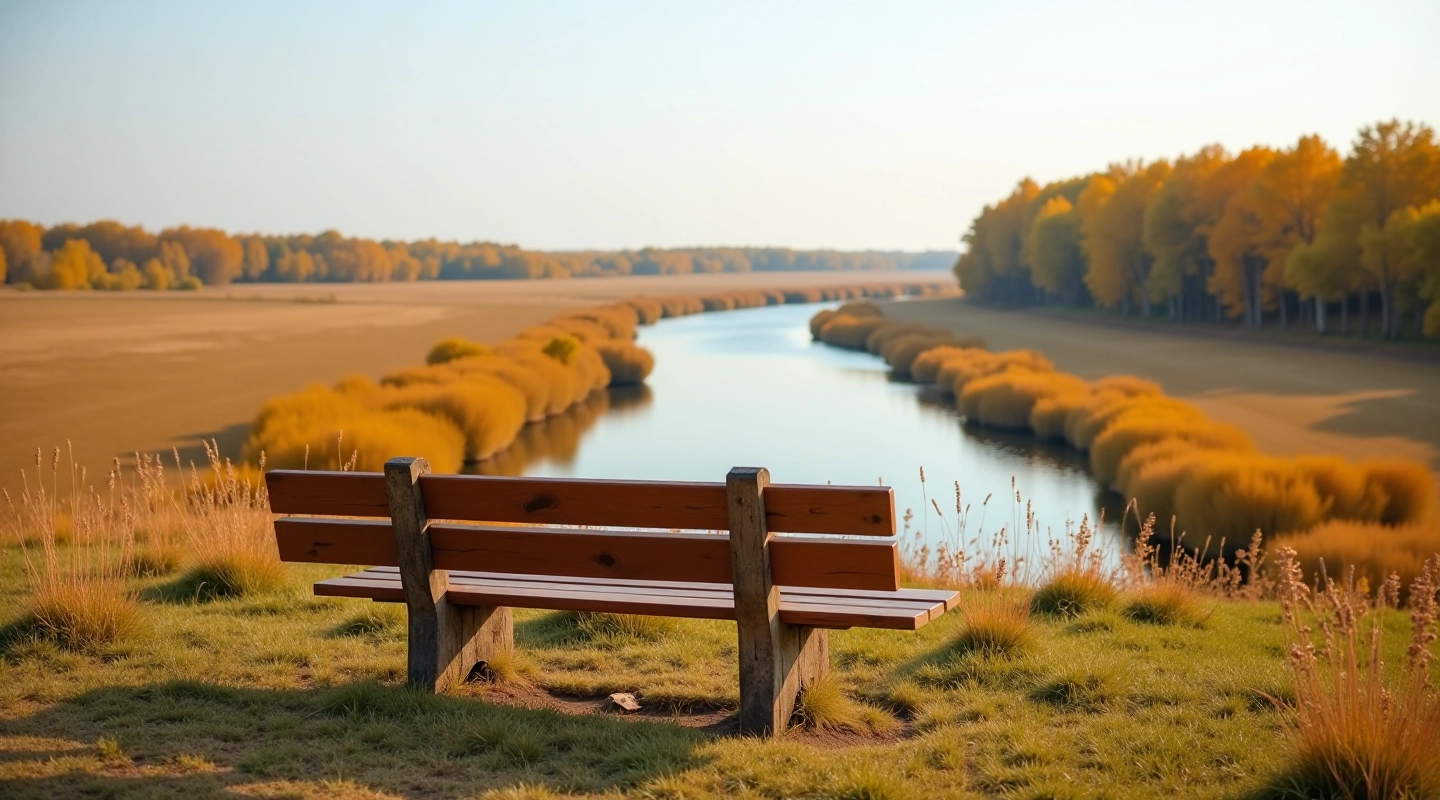
Best Benches and Rest Stops on Valley Trails
We've mapped out the most comfortable resting spots with shade and views. You'll find benches that face different directions, some with river views, some overlooking prairie.
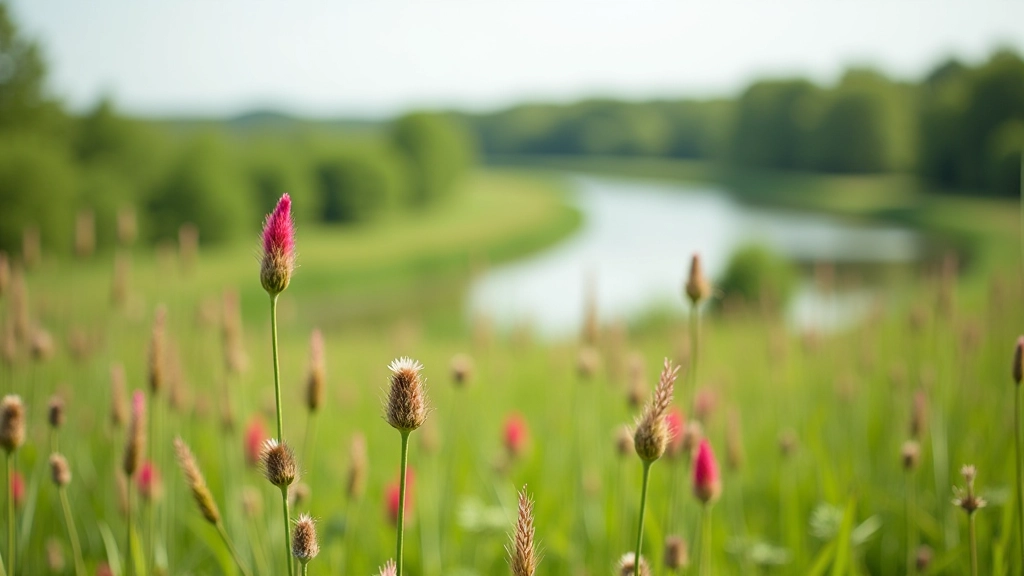
What you'll see in each season — from spring wildflowers to autumn colours. Best times to visit for different experiences.
The prairie river valley changes dramatically with each season. Spring brings wildflowers and fresh growth. Summer offers lush green landscapes and long warm days. Autumn paints everything in golds and crimsons. Winter transforms the valley into something quieter, more contemplative. Each season has its own personality, and knowing what to expect helps you plan visits that match what you're looking for.
We've spent time walking these trails through every month. We've noticed which spots shine in which seasons, when the best light hits certain views, and which trails work well depending on weather and temperature. This guide shares what we've learned so you can time your valley visits perfectly.
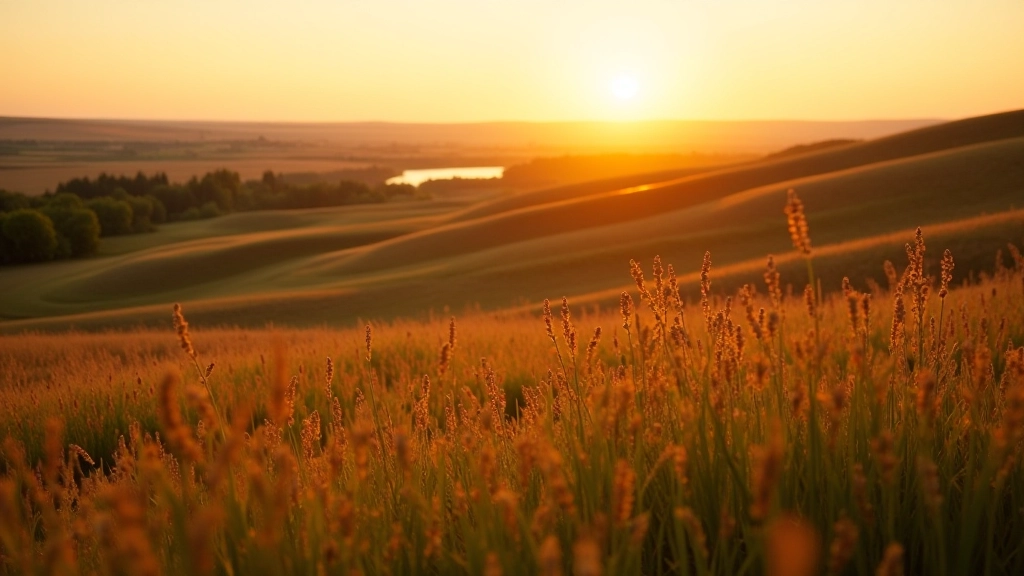
March and April bring the valley back to life. The first wildflowers appear — crocuses, pasque flowers, and early prairie roses. Snow melts, water levels rise in the river, and everything smells fresh. It's cooler than summer but warming up. Morning temperatures sit around 5-10°C, afternoons reach 12-18°C. You'll want layers.
The light changes noticeably. Days grow longer. By May, you're getting 14+ hours of daylight. Trails dry out faster in spring than you'd expect. The south-facing benches become popular spots — they catch real warmth even when the air feels chilly. Trails on the east side of the river tend to dry faster than west-facing paths.
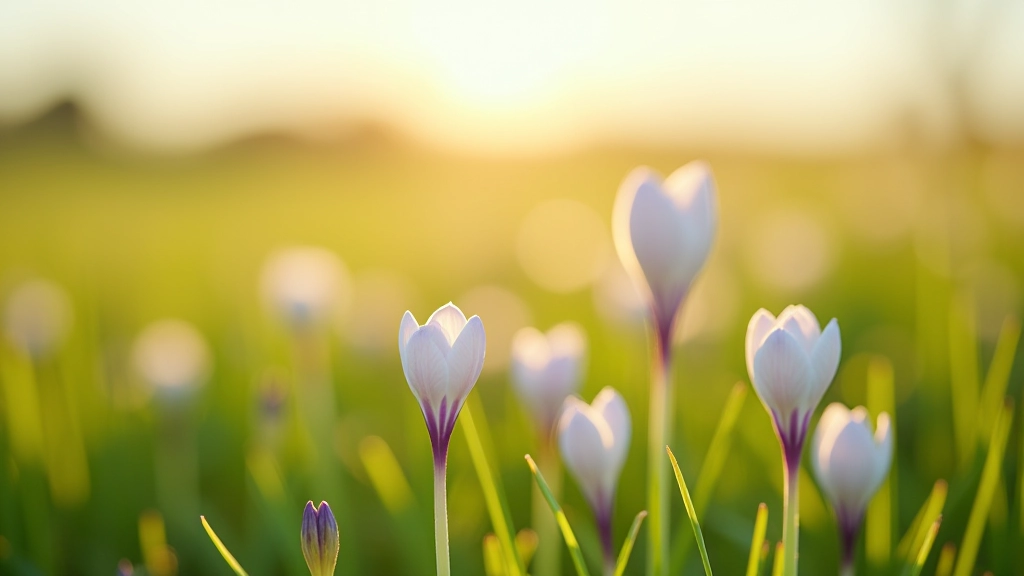
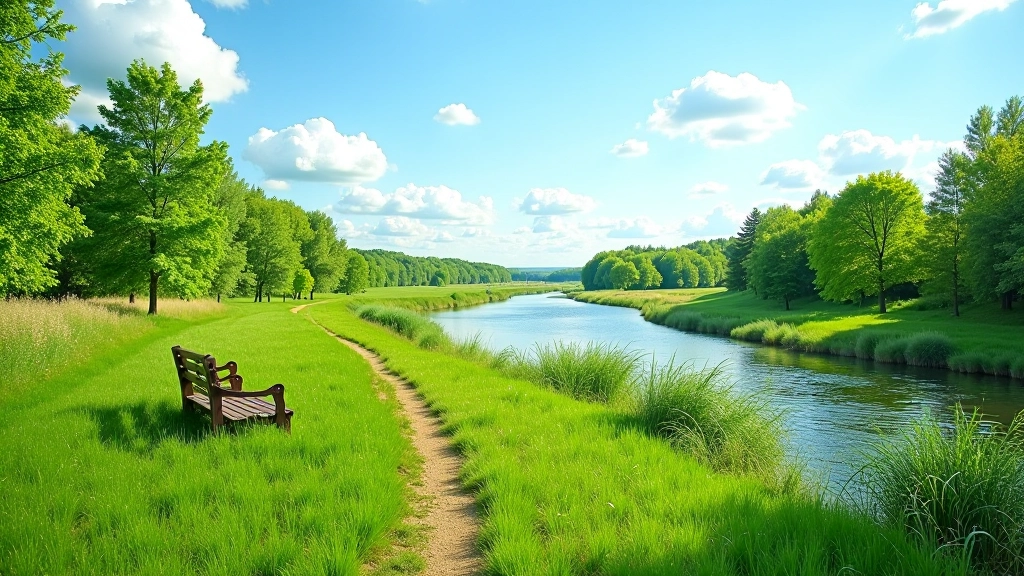
June through August is busy season. Temperatures reach 20-25°C on average days, sometimes warmer. The entire valley is completely green. Prairie flowers bloom in waves — first the early bloomers, then mid-summer varieties, then late bloomers in August. It's lush and full of life.
Early morning walks are best during summer. You'll avoid heat and crowds. Shaded benches along the river become essential rest spots. The canopy provides real cooling relief. Trails closer to the water tend to feel cooler than open prairie sections. Bring water — the sun's strong and you're out longer when conditions are pleasant.
The river's water level drops through summer but stays flowing. Swimming spots exist but aren't heavily promoted. The water's cold year-round. Most people just appreciate the sound and movement. July and early August offer the longest daylight — it's light until 9:30 PM or later.
Editorial Team
Written by the Prairie River Valley Editorial Team, focused on accurate, practical information about nature trails and relaxation spots in Saskatoon's river valley.
September through November transforms the valley into something spectacular. The light changes first — it becomes golden and lower in the sky. Then the colours shift. Aspen leaves turn brilliant yellow. Oak and maple go deep reds and oranges. The prairie takes on browns and rusts. It's the most photographed season for good reason.
Temperatures drop steadily. September feels like extended summer — 15-20°C. October sits around 8-12°C. November gets crisp, 2-8°C. By late October, frost appears in early mornings. This is perfect walking weather for most people. You're warm moving, comfortable sitting, and layers work perfectly. The air feels cleaner. Humidity drops. Bugs disappear.
Mid-October through early November offers the best colour. The timing varies year to year depending on temperatures and rain. Warm, wet Octobers extend the colours. Early frosts speed up the change. Plan visits around typical peak dates but stay flexible.
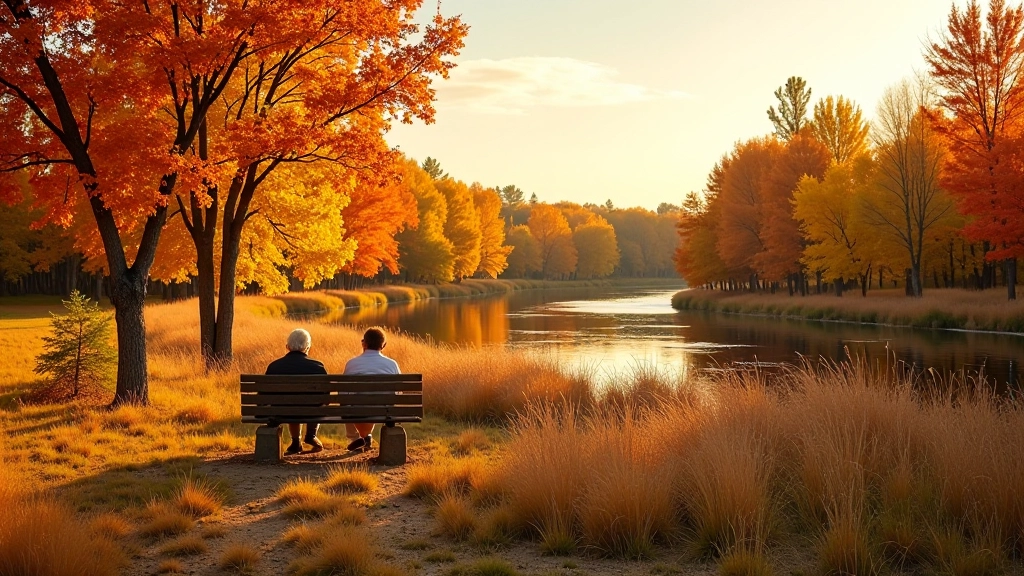
We've mapped out the most comfortable resting spots with shade and views. You'll find benches that face different directions, some with river views, some overlooking prairie.
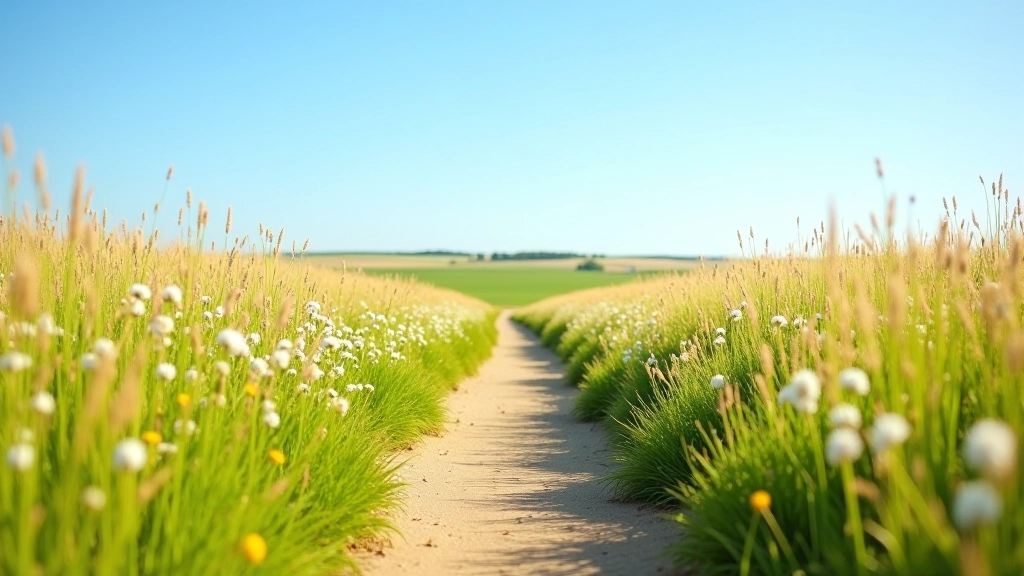
Gentle paths through natural prairie. Distances range from one to three kilometres. Flat terrain and clear trails make these perfect for building confidence and endurance.

Timing, what to bring, parking information, and tips for staying comfortable. We cover practical details so you're ready for whatever the valley offers.
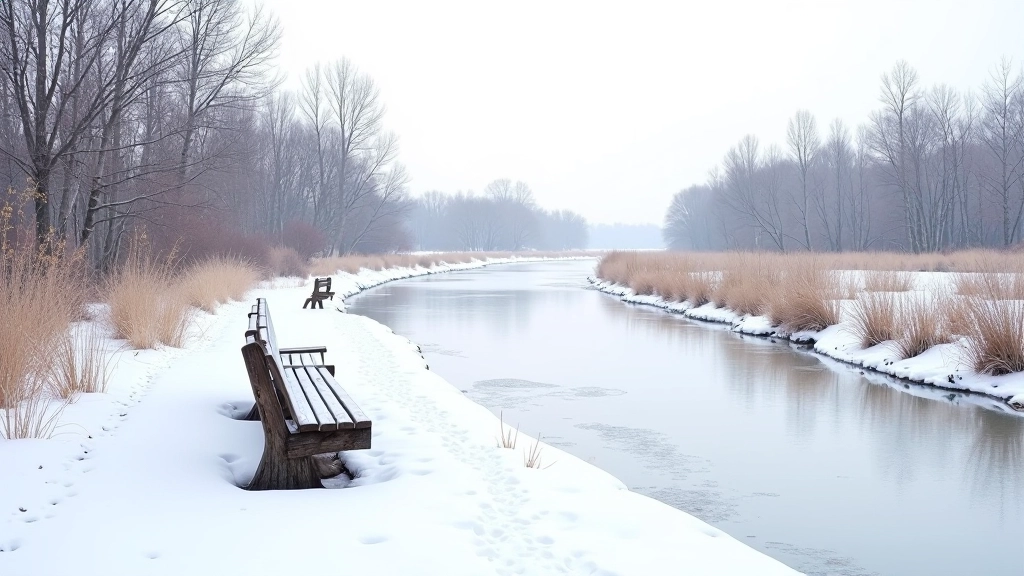
December through February is the quietest season. Temperatures drop to -5°C to -15°C regularly. Snow covers everything. Trails become harder to follow if they're not maintained. The river freezes over. It's stark and beautiful in a different way — minimal colour, clean lines, peaceful.
Winter walking requires different preparation. You'll need insulated boots, good layers, and wind protection. Morning walks feel especially quiet. The sound travels differently in cold. You hear crows, the occasional ice crack from the river, wind in bare branches. Midday walks offer better light but fewer protected spots if you need to rest.
Some people love winter in the valley. Others skip it entirely. If you do venture out, stick to well-used trails where snow's been packed down. South-facing benches still work but feel cold. The sunlight's low and golden for most of the day. It's not the season for long outdoor sitting — movement keeps you warm better than stationary resting.
Choose activities that match your fitness level, check local conditions before travelling, and speak with your GP if you have health concerns before starting a new activity. Weather changes quickly in the prairie. Trail conditions vary by season. Always let someone know where you're going and when you expect to return. The valley's beautiful year-round, but it demands respect for its weather and terrain.
The prairie river valley isn't one place — it's four completely different places depending on when you visit. Spring feels hopeful and fresh. Summer's green and abundant. Autumn's the showstopper with colour and comfortable temperatures. Winter's quiet and demands more from you physically.
There's no "best" season, only the season that matches what you're looking for. If you want wildflowers and birdsong, come in spring. If you want colour and cool walking weather, come in autumn. If you want solitude and contemplation, winter delivers that. Summer's perfect if you want lush green and long daylight for extended visits.
We recommend visiting each season at least once. You'll understand why locals talk about the valley so much once you've experienced all four versions of it. Each one offers something genuine that the others don't. Start with the season that appeals to you, then circle back when different things call to you. The valley's patient — it'll be there whenever you're ready to return.