
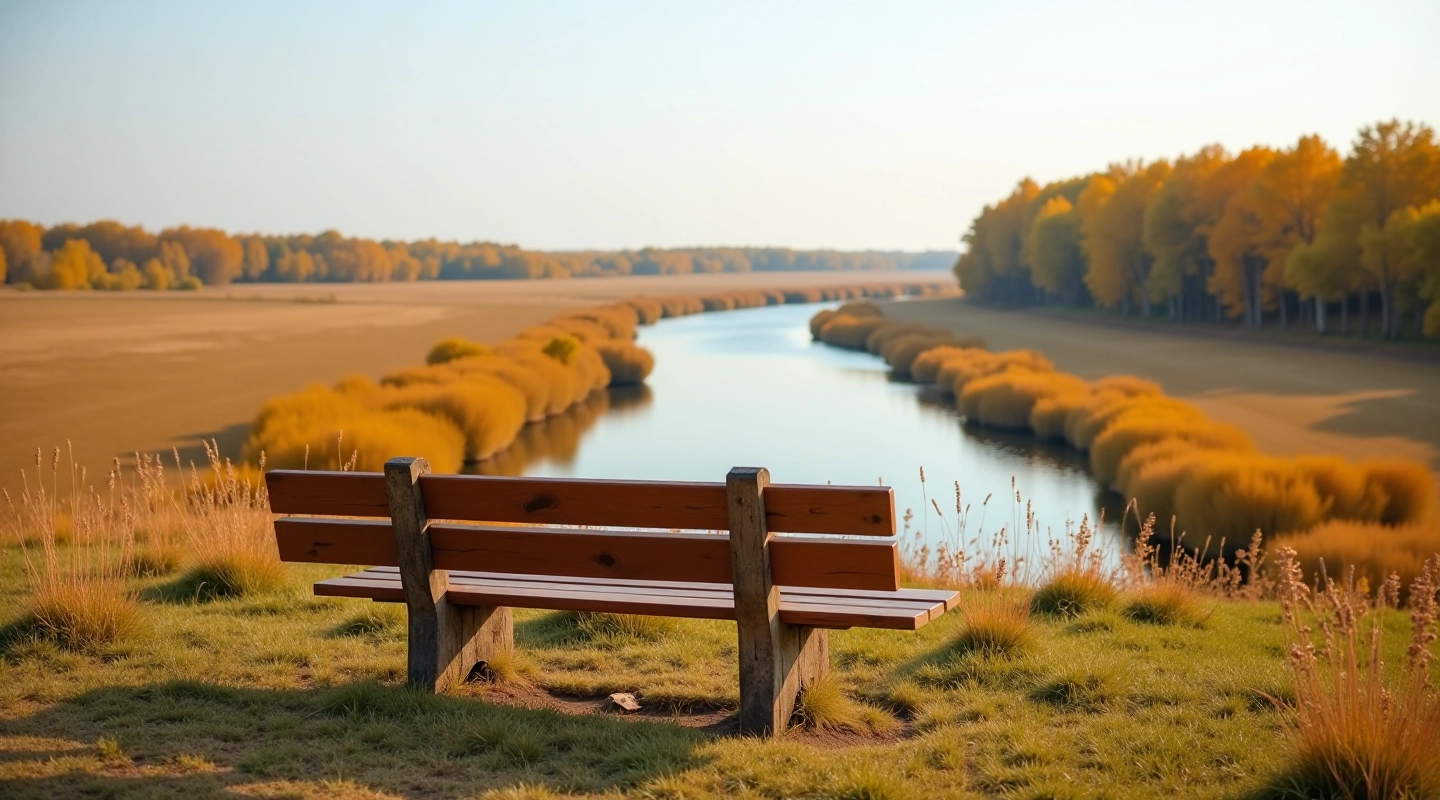
Best Benches and Rest Stops on Valley Trails
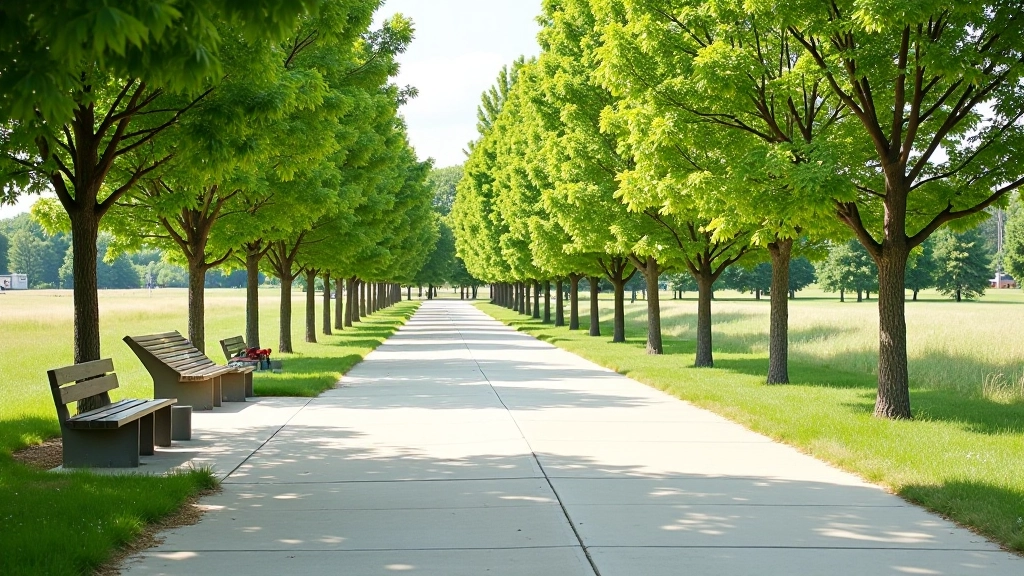
We've mapped out the most comfortable resting spots with shade and views. You'll find everything from quiet riverside benches to sheltered rest areas.

Timing, what to bring, parking information, and tips for staying comfortable. We've covered all the practical details you'll need.
Planning a day in the valley doesn't need to be complicated. The key is thinking through a few practical details beforehand — what time you'll go, what weather might do, where you'll park, and what you'll bring along. We've spent time exploring different parts of the valley across seasons, and we've learned what makes the difference between a rushed visit and one where you actually get to relax.
Whether you're going for a quiet morning walk, a longer afternoon exploration, or just a couple of hours to sit and watch the river, the same basic planning applies. It's not about being rigid. It's about removing the little friction points so you can focus on enjoying yourself.
Early morning is usually best. You'll have quieter trails, better light, and cooler temperatures if it's warm out. Most people we've talked to prefer heading out between 7 and 9 a.m. The trails are fresh, you've got the whole day ahead, and the river valley is genuinely peaceful before things get busy.
That said, late afternoon works too — especially in summer when the heat eases off around 4 or 5 p.m. You'll get nice golden light on the water, and there's something calming about an unhurried evening stroll.
Avoid midday if you can, particularly June through August. The sun's intense, there's less shade on some routes, and you'll overheat faster than you expect.
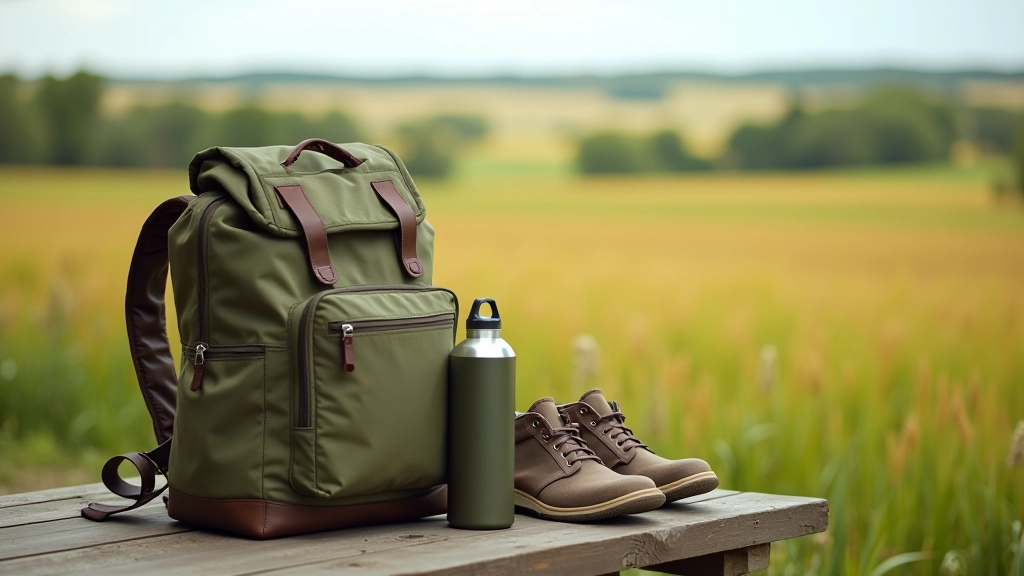
Water is non-negotiable. Bring more than you think you'll need — at least 1.5 litres. Dehydration sneaks up on you, especially if you're walking longer than you planned.
Comfortable shoes matter more than fancy gear. You want something with decent sole support, not brand new (blisters are miserable), and ideally something that's already broken in. The paths have roots, uneven spots, and sometimes loose gravel.
Layers are your friend. Even on warm days, you'll appreciate a light sweater or jacket because the river valley has its own microclimate — it's often 5 degrees cooler down there than at street level. Plus, the sun moves through the trees, so you'll shift between shade and warmth throughout your visit.
A small backpack (20-30 litre capacity) works well. You're not on an expedition, so you don't need much — sunscreen, a snack, maybe a light rain jacket depending on the forecast.
Author
Editorial Team
Written by the Prairie River Valley Editorial Team, focused on accurate, practical information about nature trails and relaxation spots in Saskatoon's river valley.
Discover other practical guides for enjoying the river valley
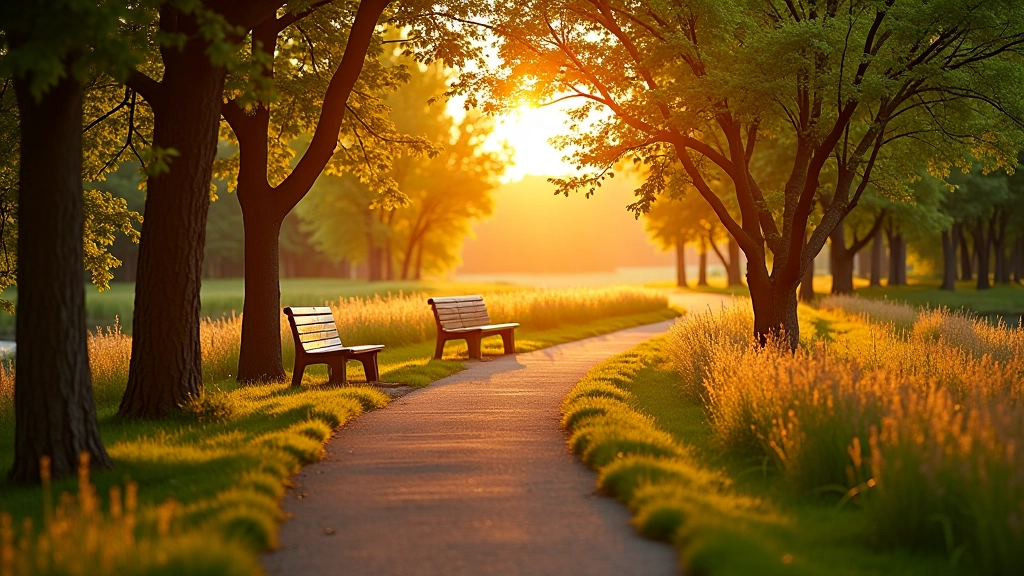
We've mapped out the most comfortable resting spots with shade and views. You'll find everything from quiet riverside benches to sheltered rest areas.
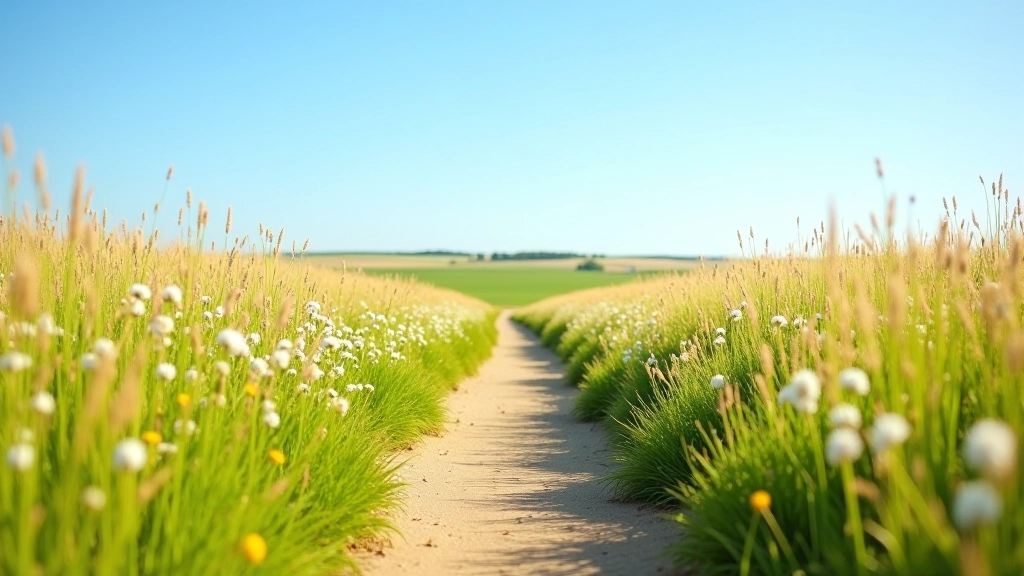
Gentle paths through natural prairie. Distances range from one to three kilometres, perfect for taking your time and enjoying the landscape.
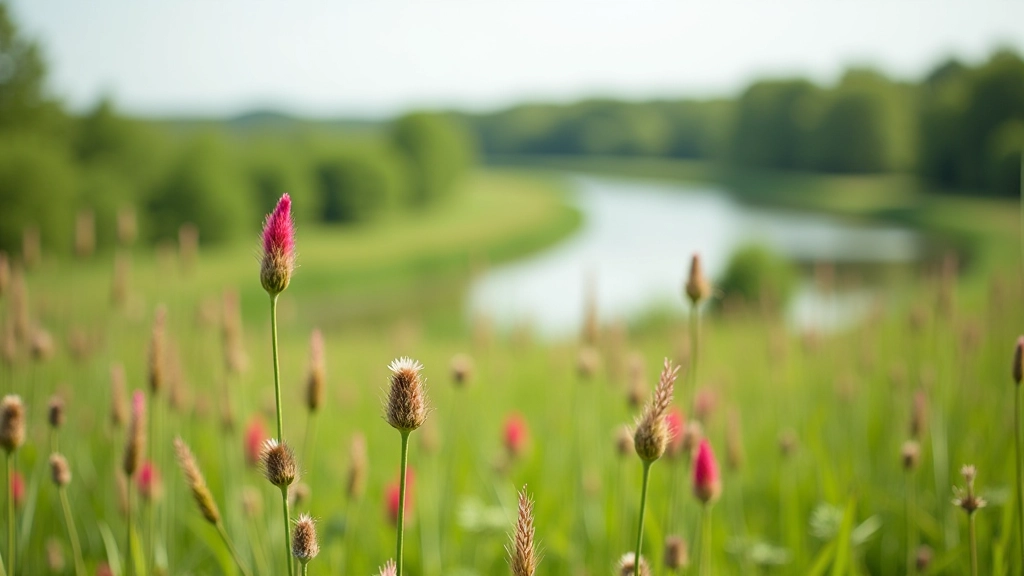
What you'll see in each season — from spring wildflowers to autumn colours. Best times to visit for different experiences.
There are several good parking areas depending on which part of the valley you want to explore. The main parking lots near the downtown trails fill up quickly on weekends, especially summer mornings. If you're flexible with timing, arriving before 8 a.m. or after 10 a.m. on weekends usually means easier parking.
The northern access points tend to be quieter. You'll have less traffic but also fewer facilities nearby. The southern areas have more amenities — washrooms, benches, and information boards — but expect more people.
Check the weather before you go. Heavy rain can make some unpaved parking areas muddy, and some routes can have soft ground after wet periods. The main paved lots stay accessible year-round, but side trails might be slippery in spring or after rain.
Sunscreen is easy to forget and easy to regret. You're not necessarily in direct sun the whole time, but the reflection off water is real, and the sun moves. Reapply every couple of hours if you're staying a while.
A hat or cap makes a huge difference. It protects your scalp and face, and it helps with that afternoon heat. The valley's shaded in many spots, but you'll find stretches of open sky.
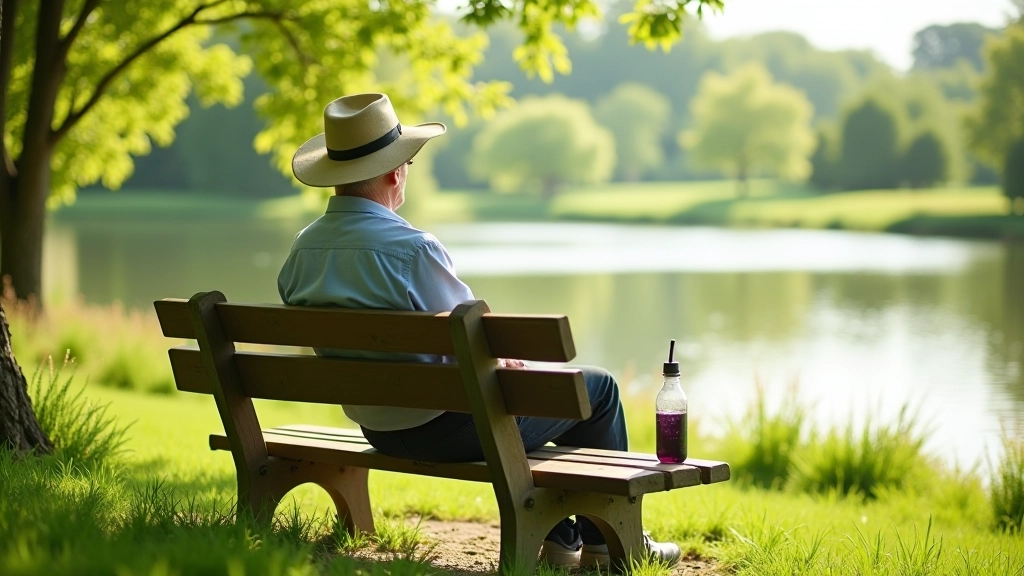
Pace yourself. There's no rush. One of the biggest shifts people make is realizing they don't need to cover distance — they need to enjoy the time. Sit for 20 minutes on a bench. Watch the water. Listen. That's not wasted time; that's the whole point.
If you're visiting in shoulder seasons (spring or fall), wind can come off the river unexpectedly. Even a light breeze at ground level feels stronger near water. That extra layer you packed isn't paranoia — it's smart.
Choose activities and trails that match your fitness level. Check local conditions before travelling — weather can change quickly, and some paths may be closed or unsafe depending on the season. If you have any health concerns or haven't been active recently, it's worth speaking with your GP before starting a new activity. The valley's beautiful, and we want you to enjoy it safely.
The valley's been here for thousands of years. It'll still be there whether you show up at 7 a.m. or 10 a.m., whether you stay 90 minutes or three hours, whether you walk five kilometres or one. The point isn't to optimize every detail. It's to step away from your regular routine and actually be somewhere that feels different.
Plan enough to remove friction — know where you're parking, bring water, check the weather. But don't plan so much that the day feels like a task. The best visits we've heard about are the ones where someone arrived with loose plans and ended up sitting on a bench for longer than they expected, just watching the river move.
That's the real relaxation. Not the distance covered. Not the Instagram moment. Just you, the water, the trees, and time that isn't scheduled for anything else.