
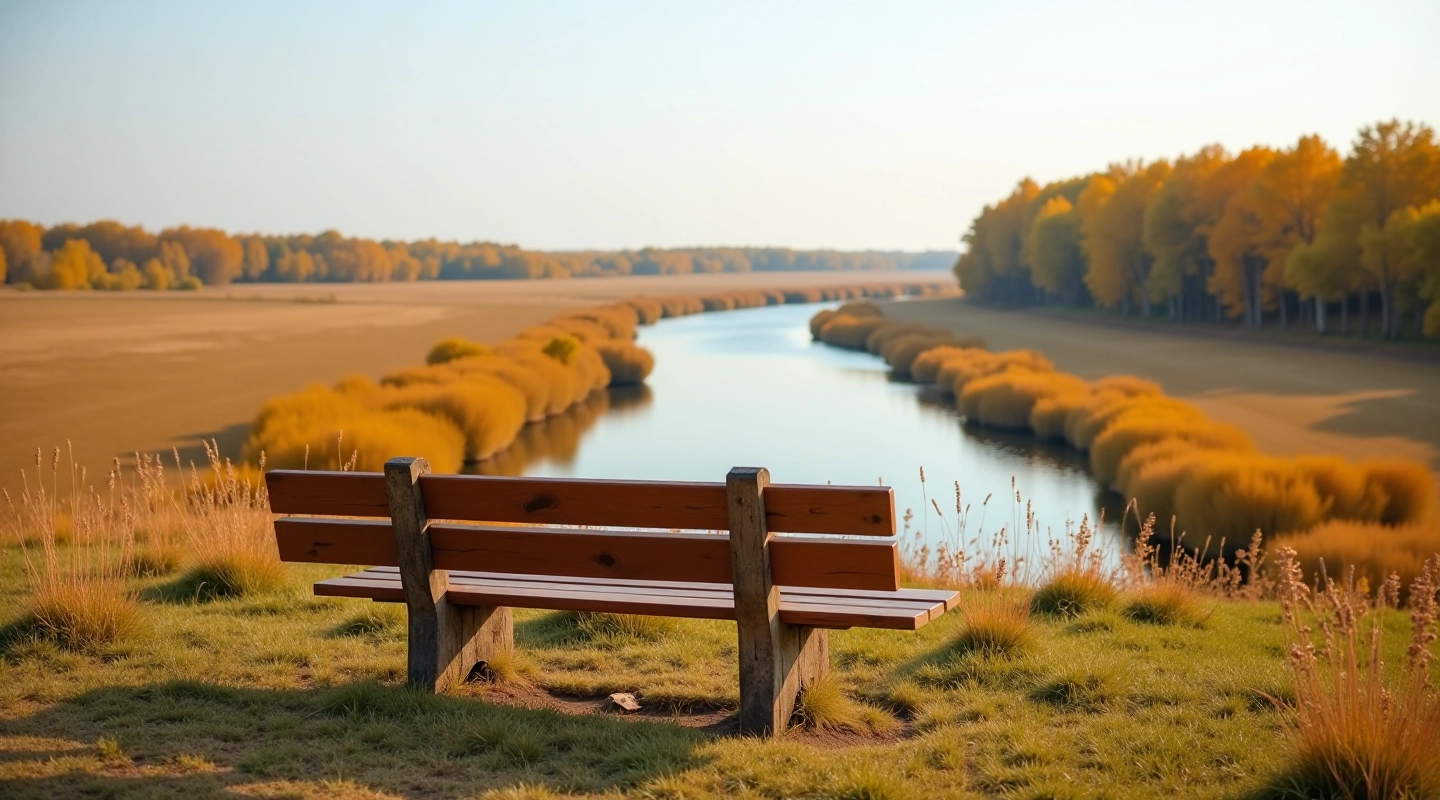
Best Benches and Rest Stops on Valley Trails
We've mapped out the most comfortable resting spots with shade and views. You'll find benches positioned for genuine relaxation.
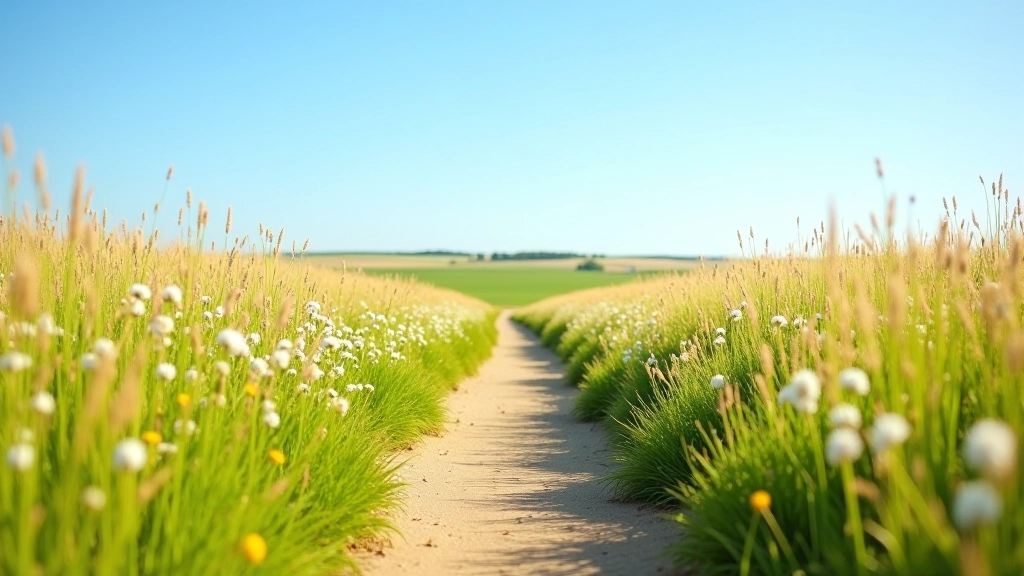
Gentle paths through natural prairie. Distances range from one to three kilometres. Perfect for building confidence at your own pace.
There's something special about prairie walking. It's not rushing. It's noticing. The meadow routes we've mapped out here are perfect if you're just starting to explore the South Saskatchewan river valley on foot. You'll walk on soft earth, see native grasses, and feel like you've stepped into a quieter world — all without straying far from accessible parking or rest points.
These routes aren't about distance records or fitness challenges. They're designed so you can go at your own speed, stop whenever you want, and actually enjoy what's around you. Most beginners find one of these routes fits perfectly into their routine — whether that's a morning outing or an afternoon escape.
If you've never walked these trails before, the one-kilometre loop is where you'll want to begin. It takes roughly 15-20 minutes at a comfortable pace, and you'll circle through open prairie with views back toward the river valley. The path is well-maintained and clearly marked with painted stones every 50 metres or so.
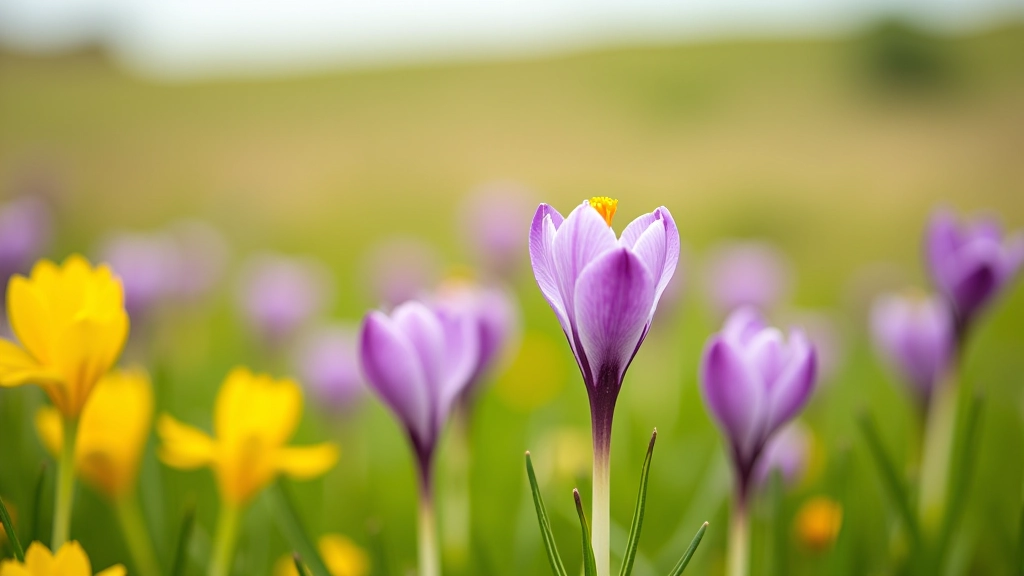
What makes this loop special isn't the distance — it's what you see. In late spring and early summer, the prairie wildflowers are incredible. You'll spot prairie crocuses, prairie lilies, and native grasses that actually have character. There's a bench at the halfway point where you can sit and watch the valley landscape stretch out. No rush, no pressure. Just time to breathe.
The ground is mostly packed earth with some gravel sections. We'd recommend wearing comfortable walking shoes — nothing fancy required. Bring water. The loop has no shade, so a hat's a good idea if you're walking mid-morning or afternoon.

Once you've done the one-kilometre loop a couple of times and you're feeling steady, the two-kilometre route opens up a different section of the meadow. This one takes about 35-45 minutes depending on your pace. It's still gentle — the elevation change is barely noticeable — but it gives you more prairie to explore.
You'll pass through areas where the native grasses are taller, and you get a real sense of what the prairie actually felt like before it was developed. There are two rest areas on this route, both with benches facing south toward the warmest light. The path winds through sections where you can see the river valley on one side and open prairie on the other.
This route works well for a mid-morning outing. Start around 9:30 or 10 and you'll have plenty of time without the midday heat. Bring a bit more water than you think you'll need — there's no water access on the route itself.
Editorial Team
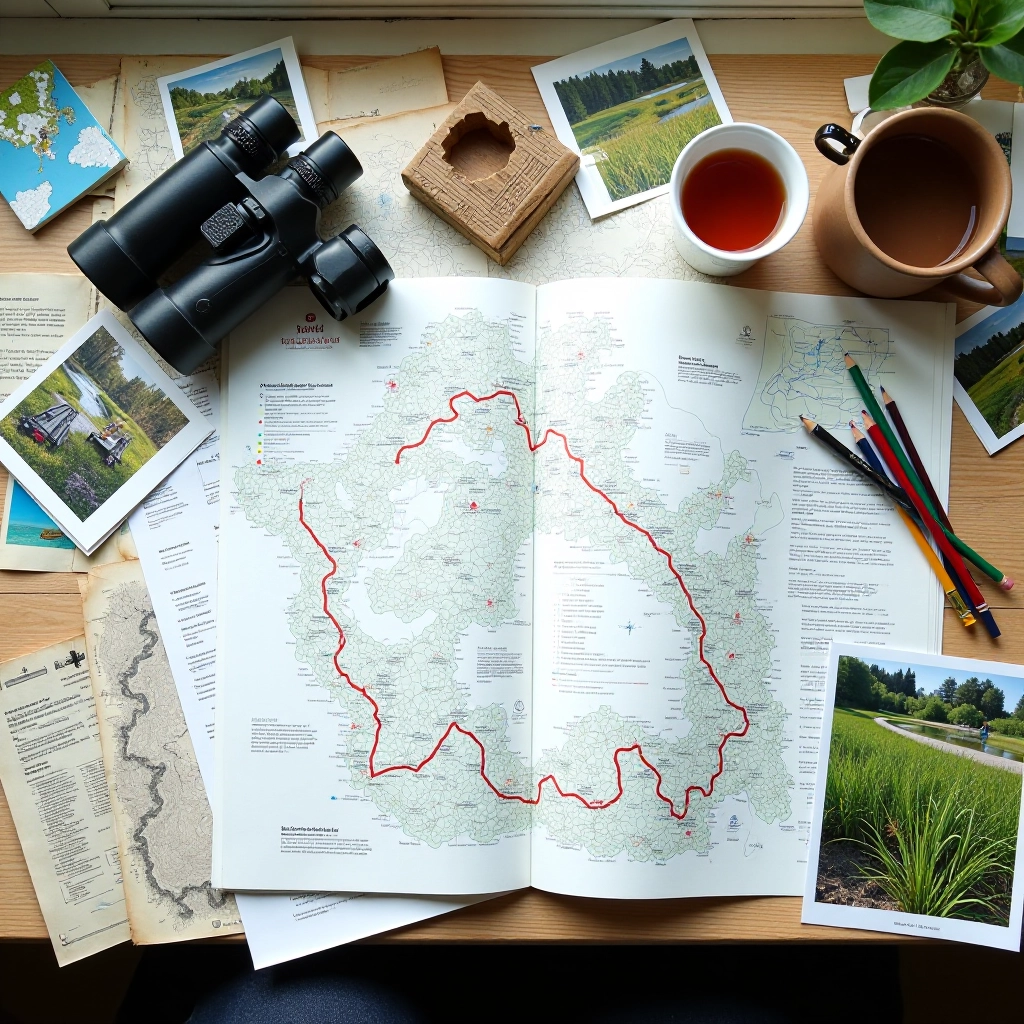
Written by the Prairie River Valley Editorial Team, focused on accurate, practical information about nature trails and relaxation spots in Saskatoon's river valley.
The three-kilometre route is the full prairie experience. It takes about 50-65 minutes, and you'll really get a sense of the landscape's scale and beauty. This route combines sections of the one and two-kilometre loops but adds a longer stretch through open prairie where you can see far in every direction.
Don't let the distance intimidate you. It's still flat, still manageable, and there are three benches along the way. The middle section is the most open — you're walking through grassland with minimal tree cover. That's where you'll see the most wildlife: deer are common, and you might spot coyotes in the distance. Birds are everywhere. It's genuinely wild feeling, even though you're not far from the parking area.
This route deserves a full hour of your time. Don't rush. Stop at the benches. Look around. The whole point is that you're not in a hurry. Wear sunscreen on this one — the prairie doesn't offer much shade, and the sun reflects off the lighter grasses.
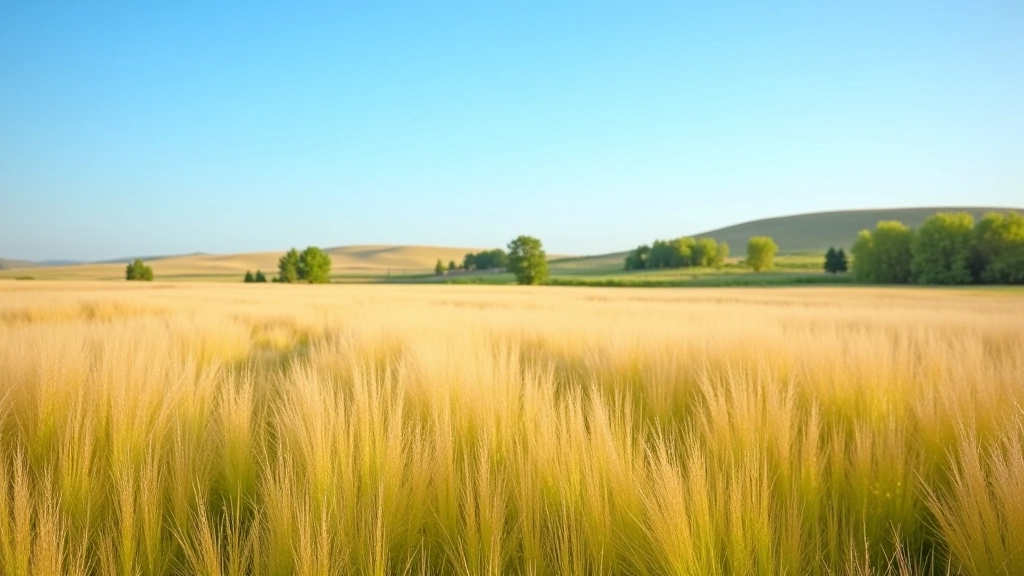
We've mapped out the most comfortable resting spots with shade and views. You'll find benches positioned for genuine relaxation.

Timing, what to bring, parking information, and tips for staying comfortable. We'll walk you through the practical details.
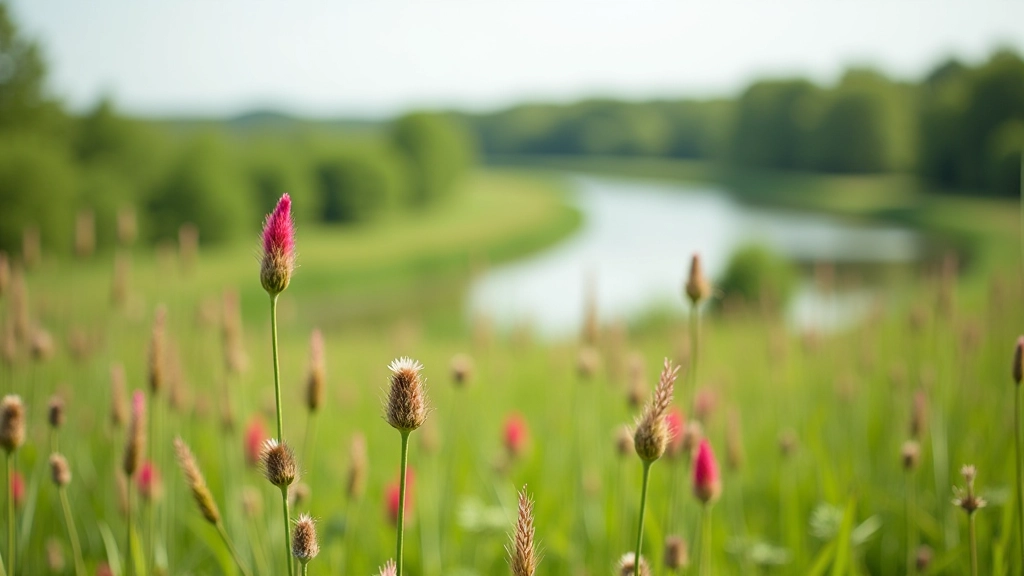
What you'll see in each season — from spring wildflowers to autumn colours. Best times to visit for specific experiences.
Choose walking routes that match your fitness level and current health. Check local weather and ground conditions before travelling — prairie terrain can change with rain or seasonal shifts. If you have health concerns or haven't been active recently, it's wise to speak with your GP before starting a new walking routine. Bring water, wear appropriate footwear, and let someone know your plans.
Prairie walking isn't about pushing yourself to exhaustion. It's about stepping into a landscape that's been here for thousands of years and spending time in it. The meadow routes are designed so you can do exactly that — move at your own pace, stop whenever you want, and come back whenever the mood strikes.
If the one-kilometre loop feels right for today, that's perfect. If you're ready for something longer, the two or three-kilometre options are waiting. The prairie isn't going anywhere. You can come back in a week, a month, or next season. Each time you'll notice something different — different flowers, different light, different wildlife. That's the whole point. You're not conquering the prairie. You're getting to know it.
Ready to explore the valley? Check out our guide to planning your visit for practical tips on parking, timing, and what to bring.
Read the Planning Guide